Darknet Markets 2026:
The dark web is part of the deep web but is built on darknets: overlay networks that sit on the internet but which can't be accessed without special tools or software like Tor. Tor is an anonymizing software tool that stands for The Onion Router — you can use the Tor network via Tor Browser.
| Darknet Market | Established | Total Listings | Link |
|---|---|---|---|
| TorZon Market | 2022 | 140+ | Onion Link |
| Nexus Market | 2024 | 600+ | Onion Link |
| Abacus Market | 2022 | 100+ | Onion Link |
| Ares | 2026 | 100+ | Onion Link |
| Cocorico | 2023 | 110+ | Onion Link |
Updated 2026-10-26
How Darknet Markets Build Trust for Smooth Sales
The darknet marketplace operates on principles familiar to any e-commerce user, applying them to a different set of goods. A successful transaction relies on a framework designed to mitigate risk and build trust between anonymous parties. The process begins with vendor selection, where a buyer examines a seller's historical reputation. This reputation is quantified through detailed user rating systems and feedback on previous orders, which comment on product quality, shipping speed, and communication.
Before placing an order, the buyer reviews the product listing. These listings function as standardized catalog entries, often including detailed descriptions, photographs, and results from purity tests conducted by the vendor or third-party services. This level of detail allows for informed purchasing decisions comparable to those on legal retail platforms.
The cornerstone of financial security in this model is the escrow service managed by the marketplace. Funds are held by the platform after the buyer places an order, and are only released to the vendor once the buyer confirms satisfactory receipt of the product. This mechanism protects the buyer from scams and incentivizes the vendor to fulfill the order as described. For added discretion, some transactions are finalized through direct deals between established, trusted partners, bypassing the public listing but often still utilizing escrow.
Throughout this process, operational security (opsec) is maintained by all parties. The use of cryptocurrency, encrypted communication, and careful personal security practices sustains the ecosystem's functionality. The resulting environment is self-regulating; vendor reputation and product quality become the primary drivers of commercial success, while platform stability ensures that these economic signals are reliable over time.
How Ratings Make Buying Safer on the Darknet
The foundation of a functional darknet marketplace is a transparent and robust user rating system. This mechanism transforms an anonymous environment into a self-policing community where vendor accountability is directly tied to commercial success. Buyers leave detailed feedback on multiple aspects of a transaction.
This feedback typically covers:
- Product quality and accuracy of the description
- Stealth and professionalism of packaging
- Speed and reliability of shipping
- Clarity and timeliness of vendor communication
These aggregated reviews generate a vendor reputation score, a quantifiable metric that new buyers can instantly assess. A vendor with a high score and hundreds of positive reviews has a demonstrated history of successful transactions. This system effectively mitigates the inherent risk of dealing with strangers online by crowdsourcing verification. It creates economic incentive for vendors to maintain high standards, as negative feedback or a low score directly impacts future sales. The rating data allows buyers to make informed decisions, selecting vendors whose historical performance indicates reliability and quality, thereby building a trusted network within the platform.
How Escrow Makes Darnet Drug Trade Safe and Fair
The escrow system is a fundamental component of trust on darknet marketplaces, acting as a neutral third party to secure funds during a transaction. When a buyer places an order, their payment is held by the market's escrow service and is not released to the vendor until the buyer confirms satisfactory receipt of the product. This mechanism directly addresses the inherent risk of anonymous trade by ensuring that vendors are paid only for delivered goods and that buyers receive what they ordered.
For the buyer, escrow provides a powerful form of purchase insurance. It allows them to file a dispute with market moderators if a package never arrives or if the product's quality drastically differs from its listing. This recourse discourages vendors from engaging in exit scams or selling misrepresented products, as their payment is contingent upon successful completion of the sale. For the vendor, escrow guarantees that funds for a shipped order are already secured and waiting, protecting them from fraudulent chargebacks that are common in traditional e-commerce. The system creates a balanced, self-enforcing contract where both parties are incentivized to act honestly to conclude the transaction and release the funds.
The operational flow is straightforward:
- A buyer selects a product and submits payment to the marketplace's escrow wallet.
- The vendor is notified and ships the order.
- The buyer receives the order and finalizes the transaction, triggering the escrow service to release the funds to the vendor.
- If an issue arises, the buyer can open a dispute, pausing the release until a moderator reviews the evidence from both sides and rules on the case.
This process transforms a potentially risky anonymous exchange into a structured commercial interaction. The reliability of a marketplace's escrow and dispute resolution system becomes a primary metric for its longevity and user loyalty, fostering a stable environment where reputable vendors can thrive and buyers can shop with greater confidence.
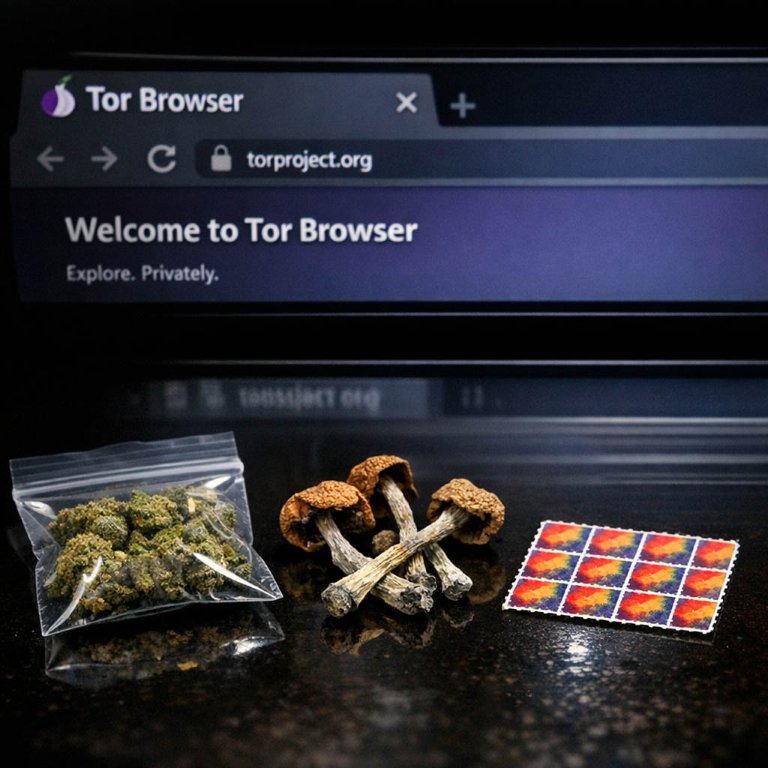
Clear Listings and Verified Quality on the Darknet
The foundation of a darknet marketplace transaction is the product listing, which functions as a digital storefront. These listings are comprehensive, containing detailed textual descriptions, high-resolution photographs, and precise dosage information. This level of detail allows for informed consumer choice, directly mirroring the transparency expected in legal e-commerce. The description often includes the substance's origin, expected effects, and recommended dosage, providing a factual basis for the purchase decision.
A critical differentiator from street-level transactions is the widespread practice of purity testing. Many reputable vendors include chromatographic test results from third-party analysis services within their listings. These documents, often posted as images, provide an empirical measure of the substance's chemical composition and concentration. This practice introduces a layer of quality assurance previously unavailable in unregulated markets, allowing buyers to assess product quality before purchase and fostering a competitive environment where vendors are incentivized to supply high-purity products.
The listing structure itself is standardized for clarity:
- Product title and category
- Vendor name and reputation score
- Price in cryptocurrency
- Available quantity options
- Shipping destinations and methods
- Detailed description and usage notes
- Purity test results or links to them
- Encrypted fields for shipping details
This systematic approach to product presentation reduces uncertainty for the buyer. The integration of verified purity data transforms the listing from a simple advertisement into a trust-building document. It shifts the market dynamic from one based on opaque claims to one governed by verifiable evidence, directly supporting the ecosystem's stability and the consumer's ability to make safer, more informed selections based on factual product analysis.
Private and Direct Deals on the Darknet
The architecture of darknet markets facilitates direct transactions between buyers and vendors, eliminating intermediaries. This peer-to-peer model enhances discretion by minimizing the number of parties involved in any exchange. Data flows and financial settlements occur directly between the two primary actors, reducing potential points of failure or observation.
This system supports operational security through several mechanisms:
- Encrypted messaging platforms built into the market allow for private negotiation and logistics coordination.
- Transaction details, including delivery addresses, are confined to the vendor and buyer, rather than being held by a central corporate entity.
- The use of cryptocurrency provides a layer of financial privacy, with wallets controlled directly by the users.
The discretion afforded by direct dealing reinforces market stability. Users who feel secure in their anonymity are more likely to participate actively, providing the feedback and volume necessary for vendor reputation systems to function accurately. This creates a self-reinforcing cycle where discretion builds trust, and trust builds a more reliable and detailed ecosystem for consumer choice.
How Good Security Makes the Darknet Work
The sustained operation of a darknet marketplace is fundamentally dependent on a robust operational security (OpSec) culture shared by the platform, its vendors, and its buyers. This collective discipline creates a secure environment where commerce can proceed with reduced risk. The marketplace software itself employs advanced encryption, typically via Tor hidden services and often additional layers like PGP encryption for all private messages. This ensures that communication and transaction details remain confidential and inaccessible to outside observers.
For participants, individual OpSec practices are equally critical. Buyers and vendors protect their identities through:
- Using the Tor Browser correctly, without browser extensions that can leak data.
- Generating unique PGP key pairs for secure, encrypted communication.
- Practicing financial OpSec by using cryptocurrencies like Monero or properly tumbled Bitcoin to obscure transaction trails.
This shared commitment to security extends to transaction mechanics. The escrow system is a core OpSec feature, holding funds in trust until the buyer confirms receipt and quality of the product. This prevents common fraud scenarios without requiring a trusted third party in the traditional sense. Furthermore, the user rating and review system functions as a continuous security audit. Detailed feedback on stealth, shipping, and product purity allows the community to collectively identify and avoid unreliable actors, reinforcing the market's stability. The ecosystem self-regulates through these transparent reputation metrics, where high-quality vendors with proven operational security in their shipping and communication flourish, while those with poor practices are quickly marginalized by negative feedback.
How Good Reviews and Quality Products Build Trust on the Darknet
The foundation of a sustainable darknet marketplace is the economic principle of vendor reputation. This system functions as a decentralized quality assurance mechanism, where a vendor's history of successful transactions directly influences their future sales volume and pricing power. Buyers rely heavily on detailed feedback scores and verified review comments to assess reliability before committing to a purchase. This creates a competitive environment where vendors are economically incentivized to maintain high product quality and consistent service.
High-purity products, accurately described weights, and professional stealth packaging are not merely customer service perks but critical business investments. A vendor with a long-standing positive reputation can command higher prices and develop a loyal customer base, effectively turning their profile into a valuable asset. The process for a buyer involves a logical sequence:
- Identifying a desired substance and sorting listings by vendor rating.
- Analyzing the vendor's transaction history, specific product reviews, and resolution of any past disputes.
- Choosing a trusted vendor who uses escrow protection for the initial payment, which is only released upon confirmed delivery and product verification.
This ecosystem is self-reinforcing. Marketplaces that facilitate transparent feedback and reliable escrow see a natural progression towards higher overall product standards. Vendors with poor quality or fraudulent practices are quickly identified through negative reviews and lose their ability to trade, effectively being removed from the system by collective user action rather than by an external authority.

How a Stable Platform Makes Buying Safer
Platform stability is the cornerstone of a functional darknet marketplace, directly enabling the safe and secure procurement of substances. A stable platform provides the consistent environment necessary for trusted vendors to cultivate their reputations over time, which in turn allows buyers to make informed decisions based on historical performance data. This longevity transforms the marketplace from a simple listing board into a self-regulating ecosystem where quality and reliability are incentivized and rewarded.
The mechanism is straightforward: stable platforms support persistent user rating systems and reliable escrow services. When a marketplace operates without frequent interruptions, every transaction contributes to a vendor's permanent record. Buyers consistently rely on these accumulated reviews, creating a powerful feedback loop. Vendors with high ratings and successful finalizations through escrow gain more business, while those with poor performance are naturally marginalized. This organic regulation reduces risk for buyers, as the community collectively identifies and promotes the most dependable sources.
This ecosystem stability ensures that security practices, such as PGP encryption and discreet shipping methods, become standardized and expected features of a professional vendor's service. The platform itself becomes a tool for risk mitigation, where the collective intelligence of the user base, facilitated by enduring systems for feedback and financial security, guides individuals toward safer transactions. Consequently, a stable darknet market fosters a predictable and efficient environment for commerce, where security and quality are the primary currencies for success.