Darknet Markets 2026:
The dark web is part of the deep web but is built on darknets: overlay networks that sit on the internet but which can't be accessed without special tools or software like Tor. Tor is an anonymizing software tool that stands for The Onion Router — you can use the Tor network via Tor Browser.
| Darknet Market | Established | Total Listings | Link |
|---|---|---|---|
| TorZon Market | 2022 | 140+ | Onion Link |
| Nexus Market | 2024 | 600+ | Onion Link |
| Abacus Market | 2022 | 100+ | Onion Link |
| Ares | 2026 | 100+ | Onion Link |
| Cocorico | 2023 | 110+ | Onion Link |
Updated 2026-10-26
How Darknet Markets Build Trust for Private Sales
Dark web markets establish a framework for secure and discreet transactions by integrating two core technologies: cryptocurrency and escrow services. Cryptocurrencies like Bitcoin and Monero provide the necessary financial privacy, severing the direct link between a user's identity and their transaction history. This allows for the free exchange of goods, including recreational pharmaceuticals, without the oversight inherent in traditional banking systems.
The transaction process is secured by an automated escrow system. When a buyer places an order, funds are held by the market's software until the buyer confirms satisfactory receipt of the product. This mechanism protects both parties: sellers are assured of payment for shipped goods, while buyers are shielded from fraud. Only upon finalization does the market release the cryptocurrency to the seller, minus a small commission for maintaining the platform. This built-in enforcement of fair dealing fosters a reliable commercial environment where quality and honest service are incentivized, as they directly influence a vendor's reputation and future sales potential.
How Crypto and Escrow Make Buying Drugs on the Darknet Safe and Easy
The operational foundation of darknet markets is the integration of cryptocurrency with escrow services. This combination directly addresses the core requirement for transactional privacy and security between strangers. Cryptocurrencies like Bitcoin and Monero provide a payment layer that is pseudonymous by design. Transactions are recorded on a public ledger, but the identities of the parties are represented by alphanumeric addresses, not personal names. This allows for the transfer of value without direct linkage to a user's bank account or identity, facilitating a degree of financial privacy previously difficult to achieve.
However, the pseudonymous nature alone does not solve the problem of trust. A buyer cannot simply send funds directly to a seller for an illegal product and expect delivery. This is where the escrow system becomes critical. Upon ordering, the buyer's cryptocurrency is held in a market-controlled escrow account. The funds are locked and only released to the seller once the buyer confirms receipt and quality of the goods. This mechanism powerfully inverts the traditional risk model of illegal trade, placing the financial burden of trustworthiness on the seller. It creates a self-enforcing system where a seller's financial incentive is aligned with successful delivery, significantly reducing instances of fraud.
The synergy between these two technologies creates a functional environment for safe and private trade. The process follows a clear sequence:
- A buyer selects a product and sends payment in cryptocurrency to the market's escrow service.
- The seller is notified and ships the product, knowing the payment is secured and guaranteed upon completion.
- The buyer receives the product, verifies it, and finalizes the transaction, triggering the escrow to release funds to the seller.
- If a dispute arises, the market's internal moderation can arbitrate, deciding whether to refund the buyer or release funds to the seller based on provided evidence.
This structure has demonstrably increased the reliability and scale of trade. It provides a predictable and secure framework that reduces anxiety for both parties, allowing the marketplace to function with a efficiency that mirrors legitimate e-commerce platforms. The persistent evolution of these markets is largely a response to improving this core transaction model, seeking more private cryptocurrencies and more resilient escrow mechanisms to maintain this equilibrium of trust.
How Escrow Makes Darknet Drug Deals Safe
The decentralized and pseudonymous nature of darknet markets creates a fundamental problem of trust. Without legal recourse or traditional identities, a buyer risks sending cryptocurrency to a seller who may never ship the product. Conversely, a seller fears shipping valuable goods to a buyer who could simply deny receipt. The escrow system is the engineered solution to this dilemma, acting as a neutral third party that facilitates secure transactions.
In a standard transaction, when a buyer places an order, the funds are not sent directly to the vendor. Instead, the cryptocurrency is held in a market-controlled escrow wallet. This state is clearly visible to both parties. The vendor then ships the product, using the tracking information as proof. Only after the buyer confirms receipt and the order auto-finalizes, or the buyer manually releases the funds, does the escrow service transfer the payment to the vendor's account. This mechanism ensures that the seller is paid only upon successful delivery, while the buyer's funds are protected from fraud.
The system's effectiveness is enhanced by its integration with the marketplace's feedback and reputation system. A vendor with a long history of successful escrow releases builds a high trust score. For low-risk transactions, a direct pay or finalize early option is sometimes available, offering the vendor faster access to funds in exchange for a discount, but this relies entirely on the vendor's established reputation. Disputes are managed by market moderators who review communication and evidence, such as shipping proof, before adjudicating the release of escrow funds. This creates a self-regulating economic environment where financial security is algorithmically enforced, enabling private commerce to function with remarkable reliability.

How Darknet Reviews Make Buying Safer
The feedback system is a core mechanism for establishing trust and ensuring product quality on darknet markets. Unlike unregulated street transactions, these platforms archive detailed user reviews and vendor ratings, creating a transparent and self-regulating environment. A buyer can assess a vendor's reliability based on historical data before any transaction occurs.
This review system functions through several key components:
- Detailed feedback on product purity, accurate weight, and shipping speed.
- Vendor ratings that aggregate satisfaction over hundreds of transactions.
- Verified purchase tags that confirm the reviewer actually bought the product.
The cumulative effect of this data empowers buyers to make informed decisions, directly rewarding vendors who consistently provide high-quality products and discreet service. Consequently, vendors have a strong economic incentive to maintain excellent standards, as negative reviews or a declining rating can severely impact future sales. This creates a market-driven quality control system where reputation is a vendor's most valuable asset, naturally elevating the overall safety and reliability of trade for all participants.
How a Darknet Marketplace Works for Safe Drug Trade
The operational model of a darknet marketplace is a sophisticated framework designed to facilitate secure and voluntary transactions. Its architecture directly addresses the core requirements of private commerce, integrating specific technological and social components to foster a functional trading environment.
A marketplace begins with a vendor shop system. Each vendor maintains a dedicated page, presenting their products with descriptions, prices, and shipping options. This shopfront is the primary point of interaction, where the quality of listings and vendor communication establishes their professional reputation.
The transaction is secured by a cryptocurrency-based escrow system. When a buyer places an order, funds are sent to a multi-signature escrow wallet controlled by the marketplace. The coins are locked there until the buyer confirms satisfactory receipt of the goods. This mechanism effectively eliminates the risk of fraud for both parties, as the vendor is assured of payment and the buyer is protected from non-delivery.
Trust is quantified through a user review and rating system. After a completed transaction, buyers can leave detailed feedback and a numerical score for both the product and the vendor's service. This creates a transparent record of performance, allowing new users to make informed decisions based on community-verified experiences. High-rated vendors gain prominence, creating a natural incentive for reliability and quality.
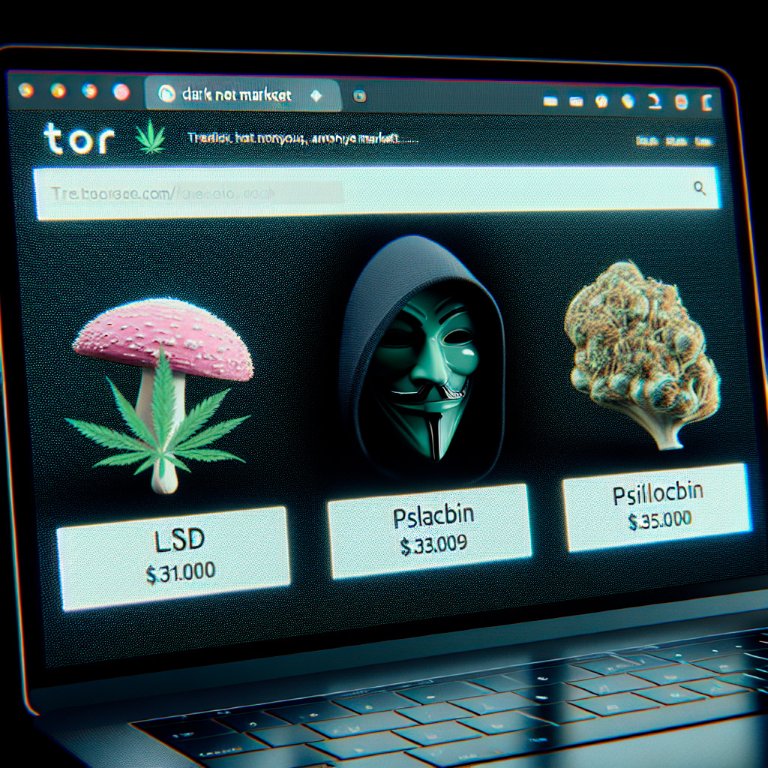
The entire platform is accessed via Tor or similar anonymity networks, which encrypt user traffic and conceal IP addresses. This, combined with the inherent pseudonymity of cryptocurrency payments, ensures that personal identities and transaction details remain separate from the public ledger, providing a necessary layer of privacy for participants.
How Darknet Markets Move and Keep Business Going
The operational resilience of darknet markets is fundamentally linked to their capacity for adaptation. When a primary marketplace is compromised or voluntarily shuts down, the ecosystem does not collapse. Instead, it undergoes a rapid and organized migration. This process is facilitated by decentralized communication channels, such as encrypted forums and private messaging networks, which serve as the central nervous system for the community. Vendors and buyers use these channels to share new URLs, verify the legitimacy of emerging platforms, and transfer their established reputations.
The movement to a new platform is streamlined by the consistent use of core technologies. Cryptocurrency wallets remain under user control, so financial assets are not held by the market itself and are therefore portable. A vendor's public PGP key and historical feedback score are independent credentials that can be presented on any new site to instantly bootstrap trust. This creates a durable commercial identity that transcends any single website. The new marketplace typically replicates the essential features: a multisignature escrow system, a review and rating interface, and a familiar categorization of goods. This standardization minimizes friction during migration, allowing trade to resume with minimal disruption, demonstrating a robust and self-sustaining economic model.
How Crypto and Escrow Keep the Darknet Trade Secure and Private
The operational resilience of darknet markets is fundamentally tied to their core mechanisms for facilitating secure and discreet transactions. These platforms provide a necessary environment for trade where privacy and security are paramount. The integration of cryptocurrency as the primary payment method is central to this model, offering a layer of financial anonymity that traditional banking systems cannot provide. Transactions are recorded on a public ledger, but the identities of the parties involved are obscured by cryptographic addresses, effectively separating financial activity from personal identity.
This financial privacy is coupled with transactional security through automated escrow systems. These systems hold a buyer's cryptocurrency in a secure, third-party deposit until the goods are received and confirmed. This mechanism directly addresses the inherent trust deficit in anonymous environments by financially incentivizing honest conduct from sellers. It ensures that vendors are compensated only upon successful delivery, which significantly reduces the incidence of fraud and builds a foundation for reliable commerce. The escrow model creates a self-regulating economic framework where successful trade is the most profitable outcome for all participating parties.
The combination of these technologies fosters a stable and self-sustaining ecosystem. The use of cryptocurrency allows for seamless global transactions without geographic restrictions or institutional oversight, while escrow protects the economic interests of both buyers and sellers. This creates a feedback loop where successful transactions reinforce market viability. As a result, even when individual marketplaces are discontinued, the underlying model persists. The community and its operational knowledge migrate to new platforms, carrying forward the established practices of secure payment and trade facilitation. The ecosystem's resilience is not in any single website, but in the proven and replicable framework of crypto-anonymous payment and secured transactional escrow that users and vendors have come to rely upon for efficient and discreet commerce.